
Social Media TodayNew
The Digital Divide: Social Media in Relationships
Posted By: Caitlin Kamonya
Published: 26 Sep 2023
Location: Nairobi, Ke
Introduction
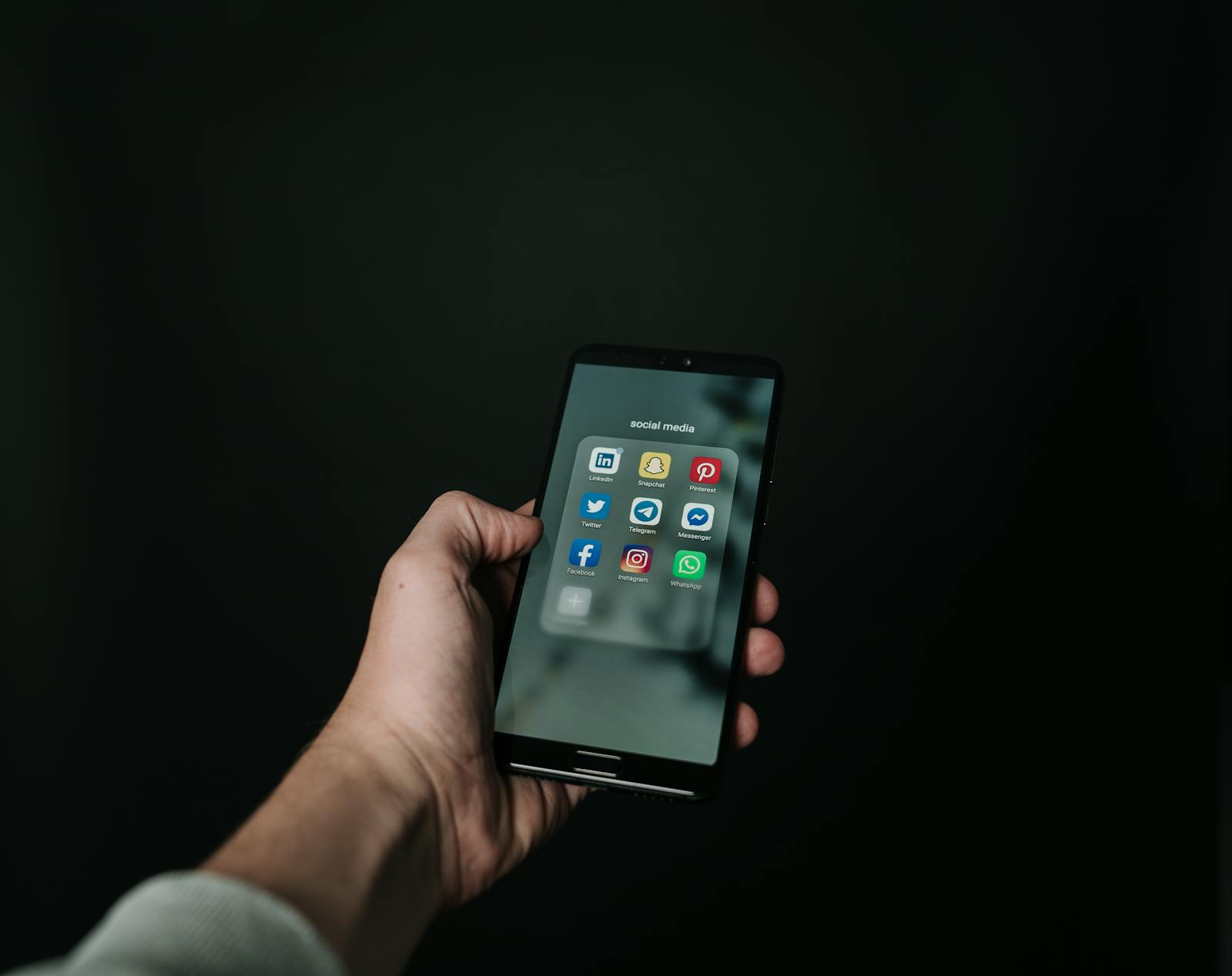
In an age where technology and social media have become an integral part of our daily lives, it's crucial to acknowledge the profound impact they can have on our relationships. While social media offers us numerous benefits, such as staying connected with friends and family, networking, and accessing information, it's no secret that it can also pose a threat to our relationships. 1. Comparison Culture One of the most significant ways social media affects relationships is by fostering a culture of comparison. Platforms like Instagram and Facebook are filled with carefully curated snapshots of people's lives, often showcasing only the highlights. When individuals constantly see their friends, acquaintances, or even strangers posting their happiest and most successful moments, it's easy to fall into the trap of comparing one's own life and relationship to these idealized versions. This constant comparison can lead to feelings of inadequacy, jealousy, and resentment within relationships. Partners may start questioning their own worth and the quality of their relationship, despite having a perfectly healthy bond in reality. 2. Invasion of Privacy Social media often blurs the lines between public and private life. Personal moments that were once reserved for intimate conversations or shared experiences can now be broadcast to the world. This invasion of privacy can strain relationships, as partners may disagree on what should or should not be shared online. Furthermore, digital privacy concerns can arise when one partner feels uncomfortable with the other's online behavior. For instance, tracking each other's social media activity, demanding access to private accounts, or snooping through messages can lead to trust issues and arguments. 3.
Digital Infidelity The rise of social media has also given birth to a new form of infidelity – digital infidelity. It's easier than ever for individuals to engage in emotional affairs or flirtatious exchanges with people outside of their committed relationships through various messaging apps and social media platforms. This hidden betrayal can be as emotionally damaging as physical infidelity and can eventually lead to the breakdown of trust and the end of a relationship. 4. Distraction and Neglect Social media can be a time-consuming distraction that diverts attention away from our partners. Scrolling through endless newsfeeds, responding to notifications, and checking messages can create a disconnect between couples. Instead of engaging in meaningful conversations or quality time together, couples may find themselves sitting side by side, engrossed in their screens. This digital distraction can lead to feelings of neglect and emotional distance, as the intimacy and connection that come from genuine human interaction are replaced by virtual likes and comments. 5. Amplification of Relationship Issues While social media itself may not directly cause relationship problems, it has a way of amplifying existing issues. Petty arguments or disagreements that might have once been resolved privately can escalate quickly when aired on social media. Friends and family may weigh in, and what could have been a minor disagreement can turn into a full-blown public feud. Conclusion Social media is a double-edged sword that can both enhance and hinder our relationships. While it provides opportunities for connection and communication, it can also foster jealousy, privacy breaches, infidelity, and distractions that harm our bonds with loved ones.
To protect our relationships from the negative effects of social media, it's essential to establish boundaries, prioritize real-world connections, and communicate openly with our partners about how we use technology in our lives. By doing so, we can strike a healthy balance between our online and offline worlds, preserving the sanctity of our relationships in the digital age.

Reach Us
Read great stories from your beloved writers today
Customer Support:+254708683046
Sales & Marketing:itisha.delivery@gmail.com
- Bloggers
- Find All blogs
- Upload Blog
- Career Advice
- Blogging Software
- AI assist
- Collaborative Writing